Measuring Agent Governance Posture
Most MCP servers check who you are but few record what you did. This study explores read/write and sensitivity as orthogonal concerns.
- nist
- risk management
- rmf
- technology strategy
- standards
- mcp
Writing on technology leadership, governance, security, architecture, risk, and the operational realities of shipping real systems.
Most MCP servers check who you are but few record what you did. This study explores read/write and sensitivity as orthogonal concerns.
Agent governance keeps inventing new protocols. HTTP has been extended through headers for 26 years without tollbooths. Why that's the playbook to copy.
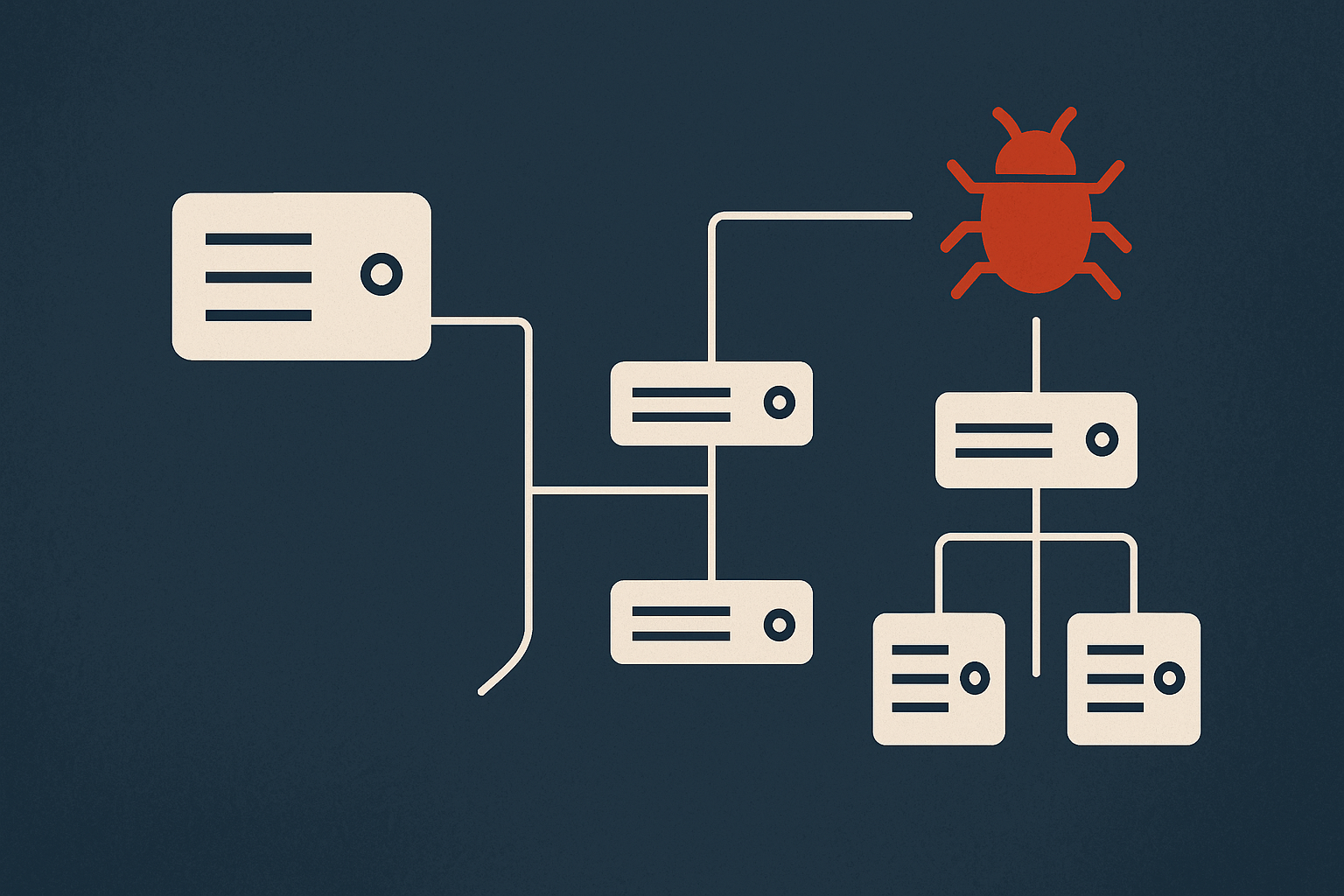
Vercel's 2026 breach exposed credentials across thousands of orgs. The deeper problem: env vars stored unencrypted by default. The full attack chain, mapped.
Your tech stack encodes what you believe. A look at the CIO landscape across five dimensions, and why your AI posture is the most honest signal of intent.
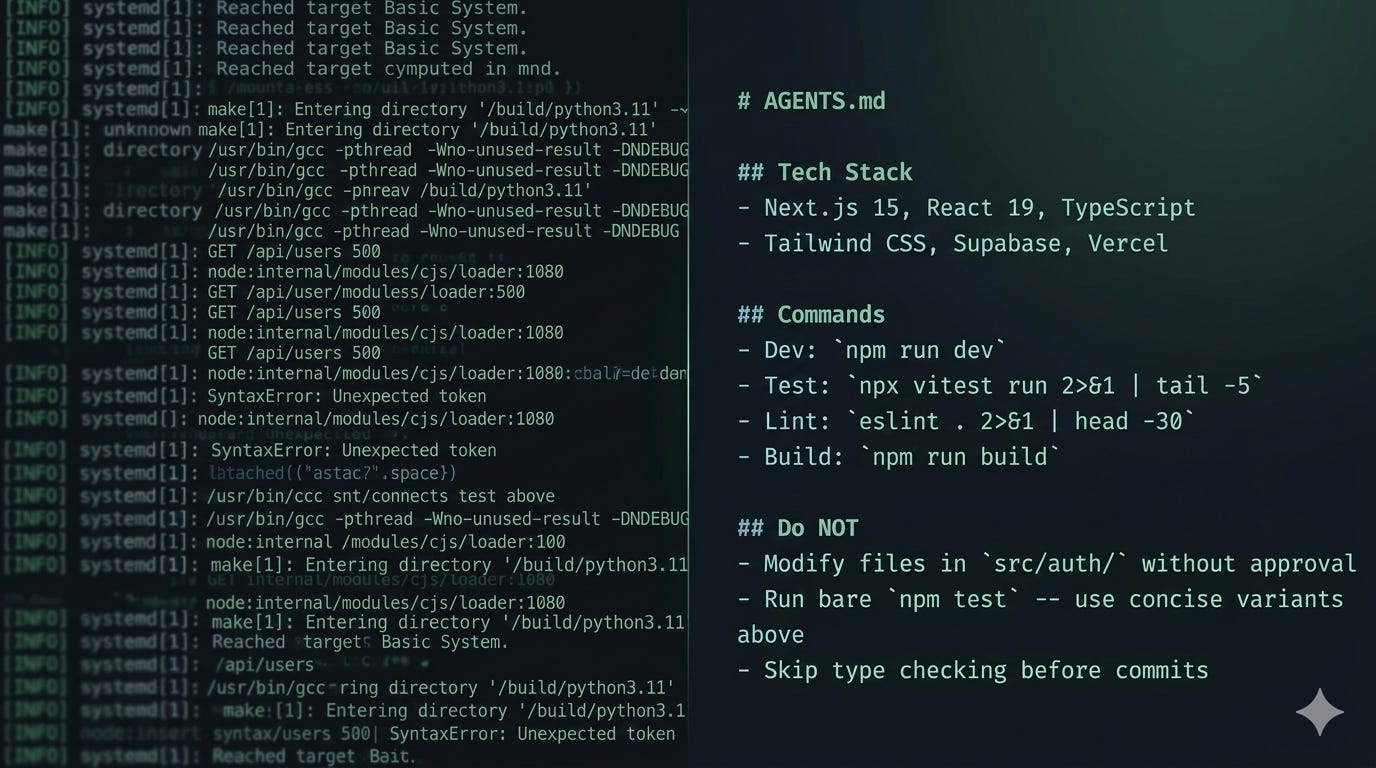
Tools that shrink Claude Code's context can save tokens you can't audit. A governance-first alternative: visible, in-repo command variants you fully control.
Turns out ChatGPT, when presented with the challenge of supporting criticism of OpenAI, will just about refuse in favor of its own bias.
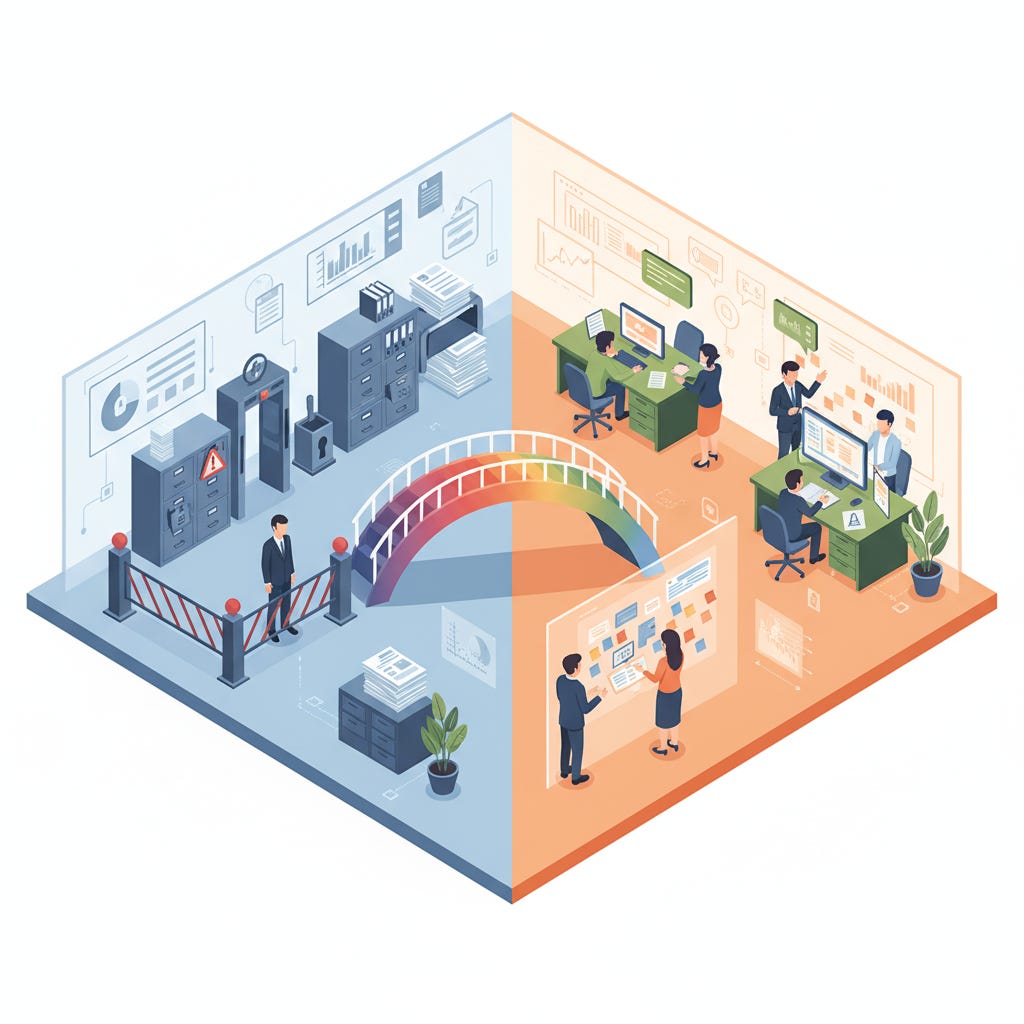
Governance and enablement are different jobs. Conflate them and you get policies nobody follows and shadow AI everywhere. Why you need both, as partners.
Scaling curves to AGI hide diminishing returns on a log scale. Why LLM scaling alone won't get there, and what the agentic counterargument quietly concedes.
Shadow AI arrives embedded in tools you already approved. 83% think staff use AI; 31% have policies. A practitioner's guide to discovery and containment.
Research exposed 3,000+ vulnerable MCP servers and thousands of leaked API keys. Every AI integration creates security debt. How to secure MCP at scale.
How I rebuilt a consulting practice around AI-powered assessments, so prospects experience the methodology before they ever book a call.
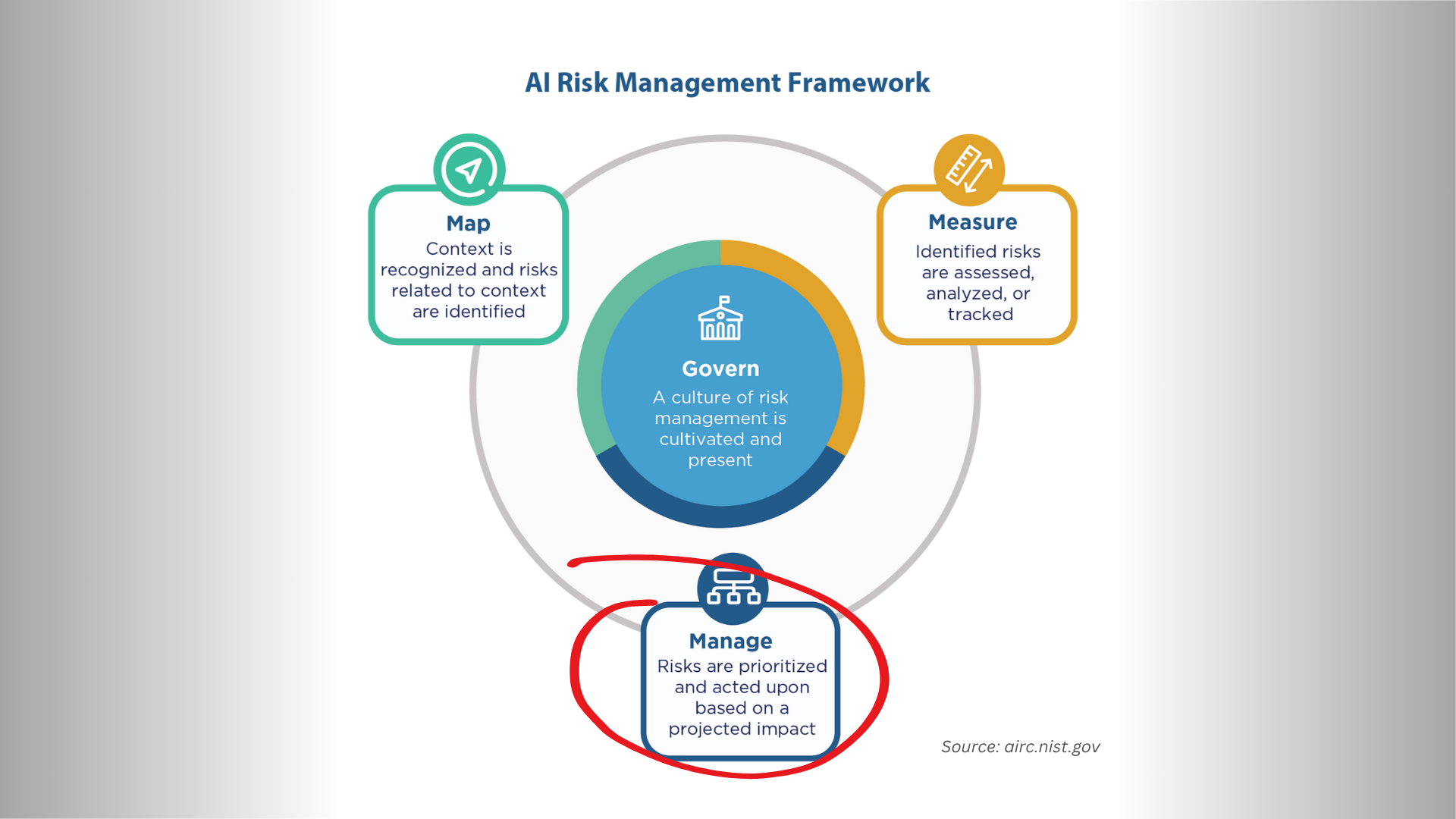
Pilot governance collapses in production. Part 4 on the NIST AI RMF MANAGE function: risk prioritization, vendor management, and AgentOps for agent systems.
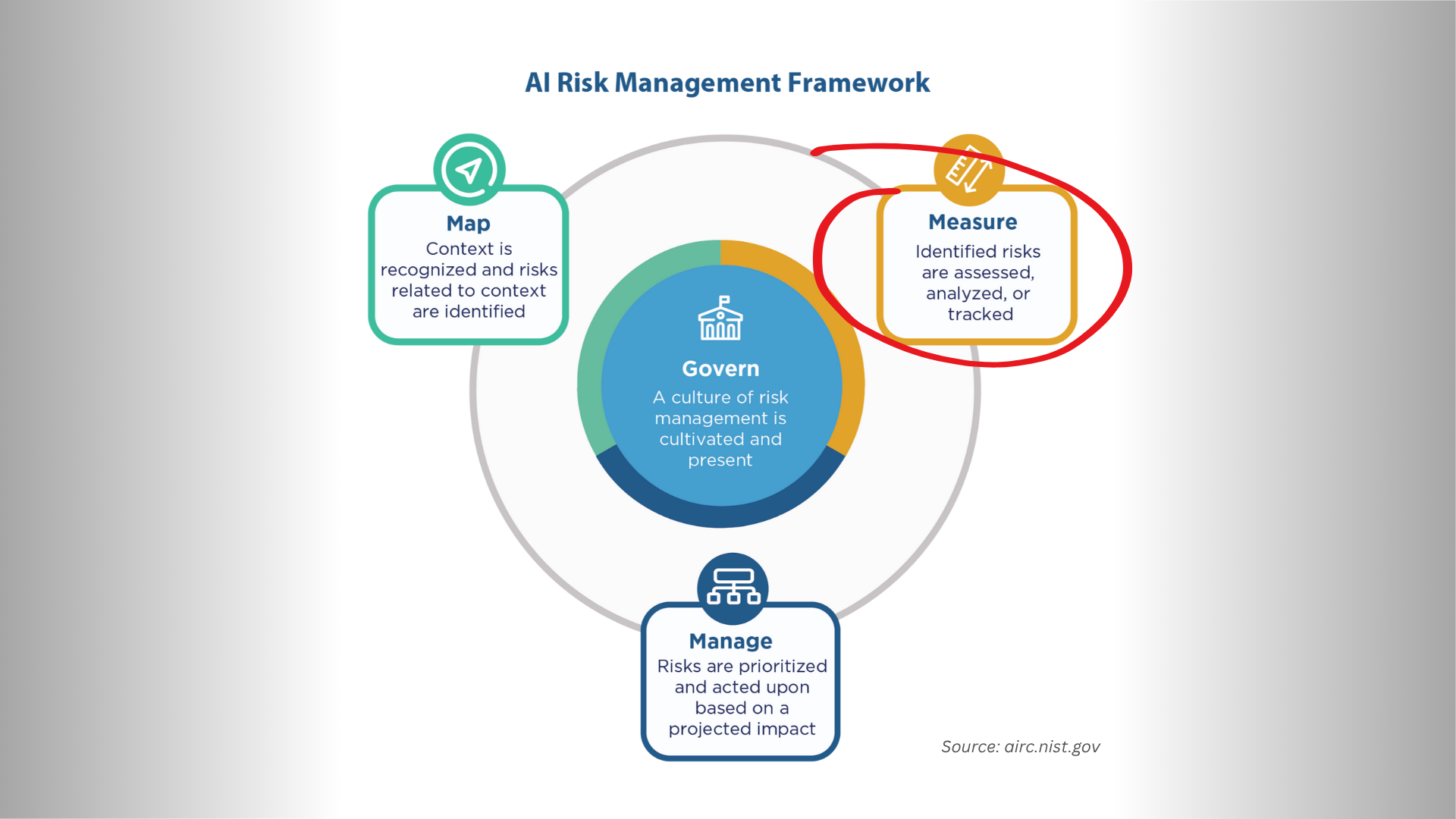
Tracking uptime while ignoring safety is measurement theater. Part 3 on the NIST AI RMF MEASURE function: evaluating trust across seven characteristics.
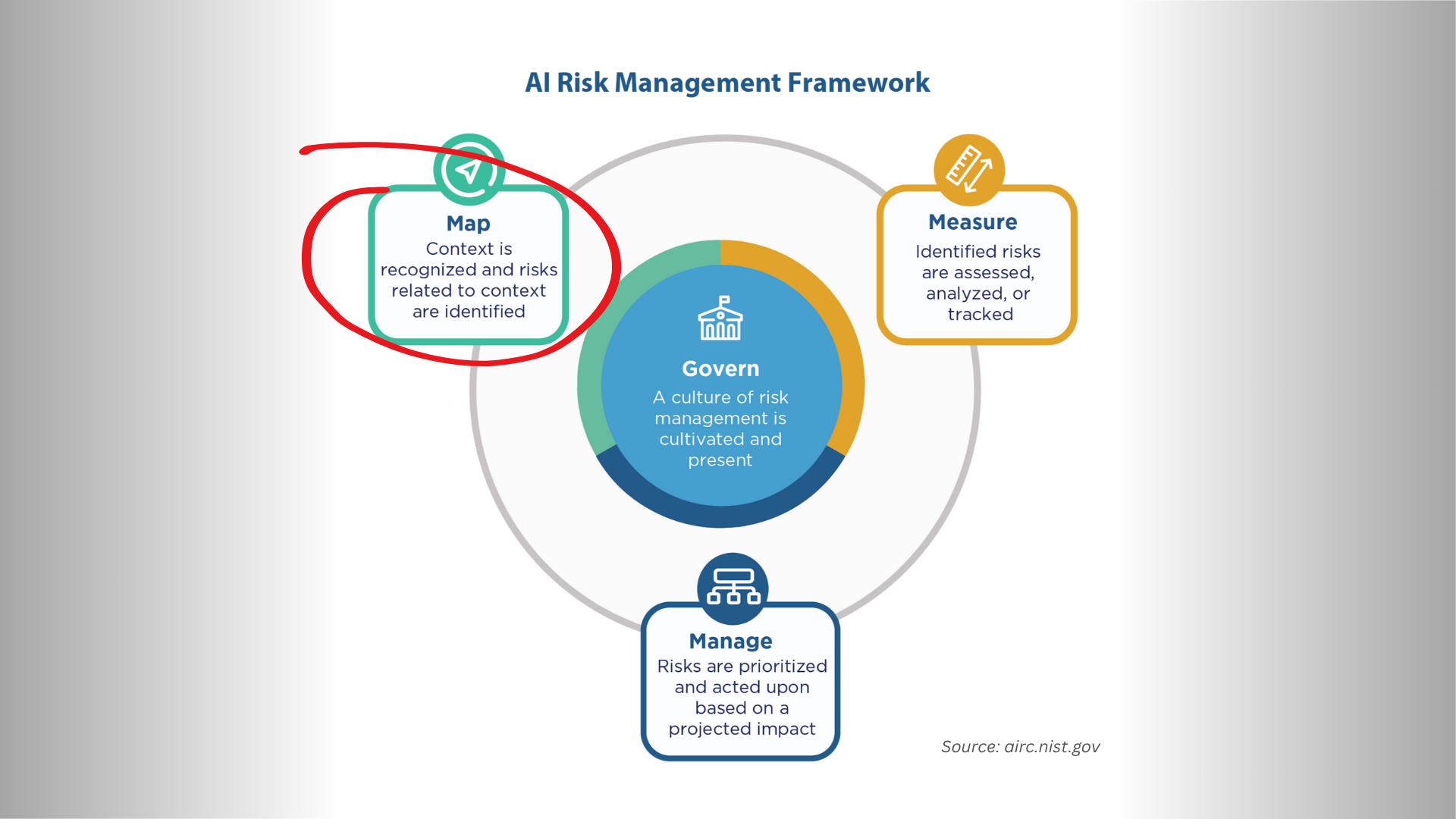
The AI you haven't approved is the real risk. Orgs underestimate their AI footprint by 3-5x. Part 2 on the NIST AI RMF MAP function: discovery and inventory.
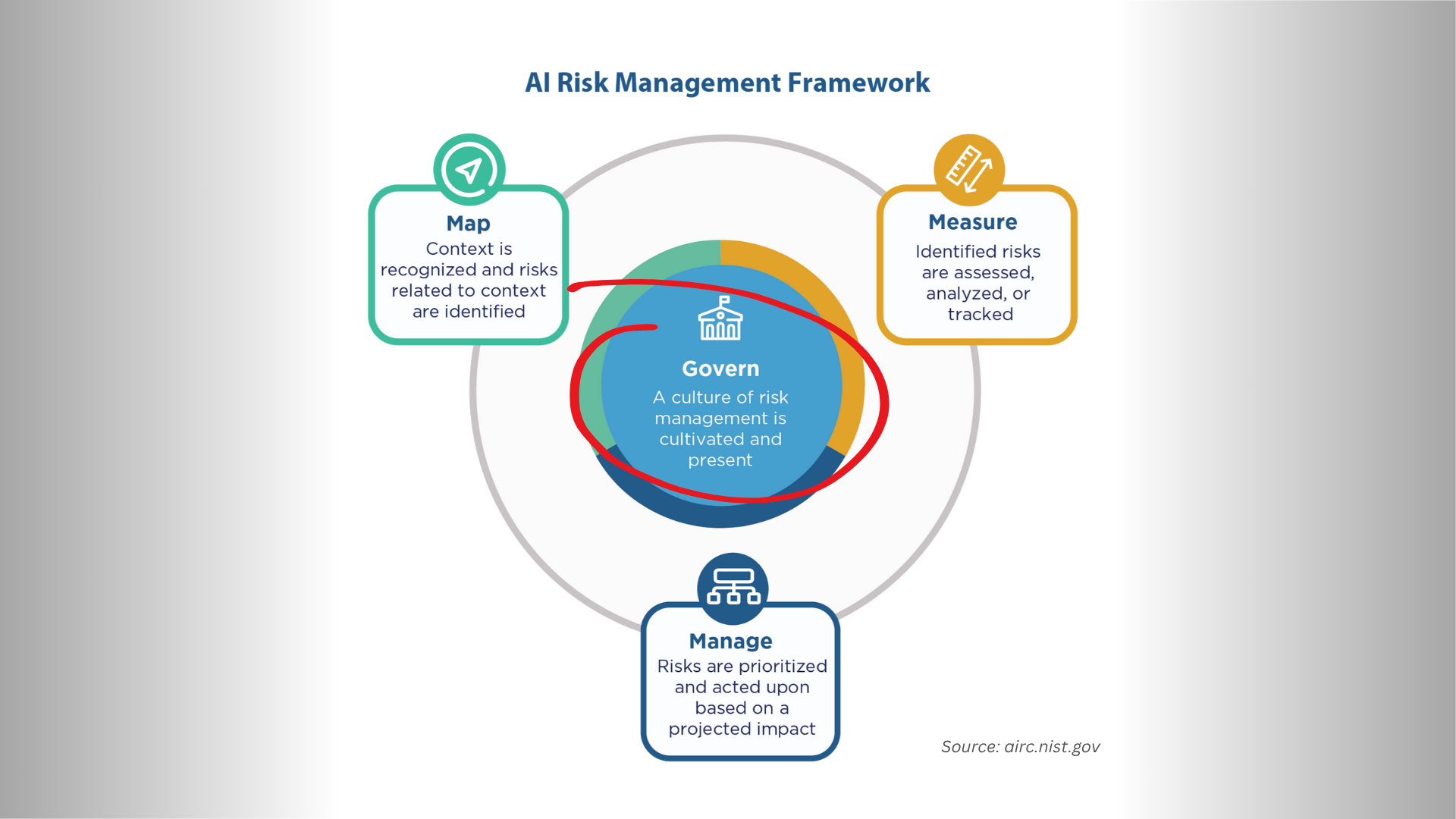
Most AI projects fail on governance, not technology. Part 1 of a four-part series on turning NIST's AI RMF into governance that accelerates adoption.
One of the most significant changes in product-engineering collaboration since the advent of agile teams is happening now, driven by AI's ability to understand and act on our intent.
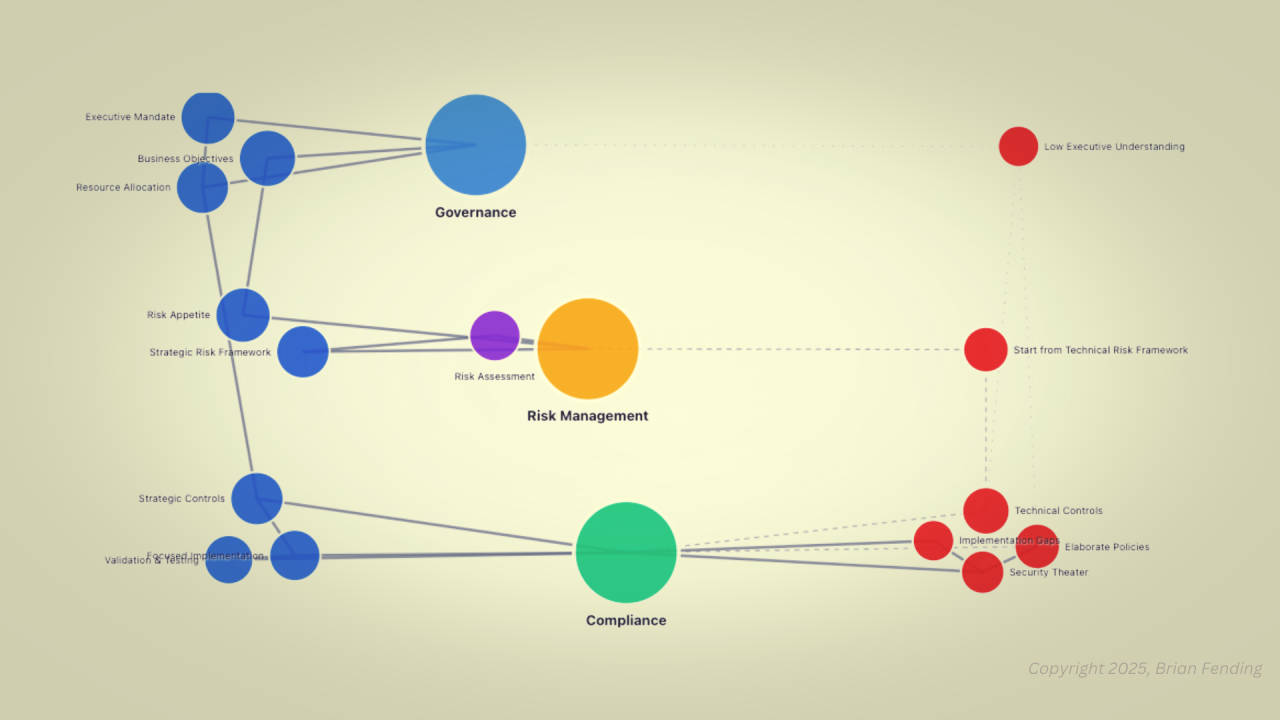
Research confirms what practitioners knew: Most orgs approach IT security programs backwards.
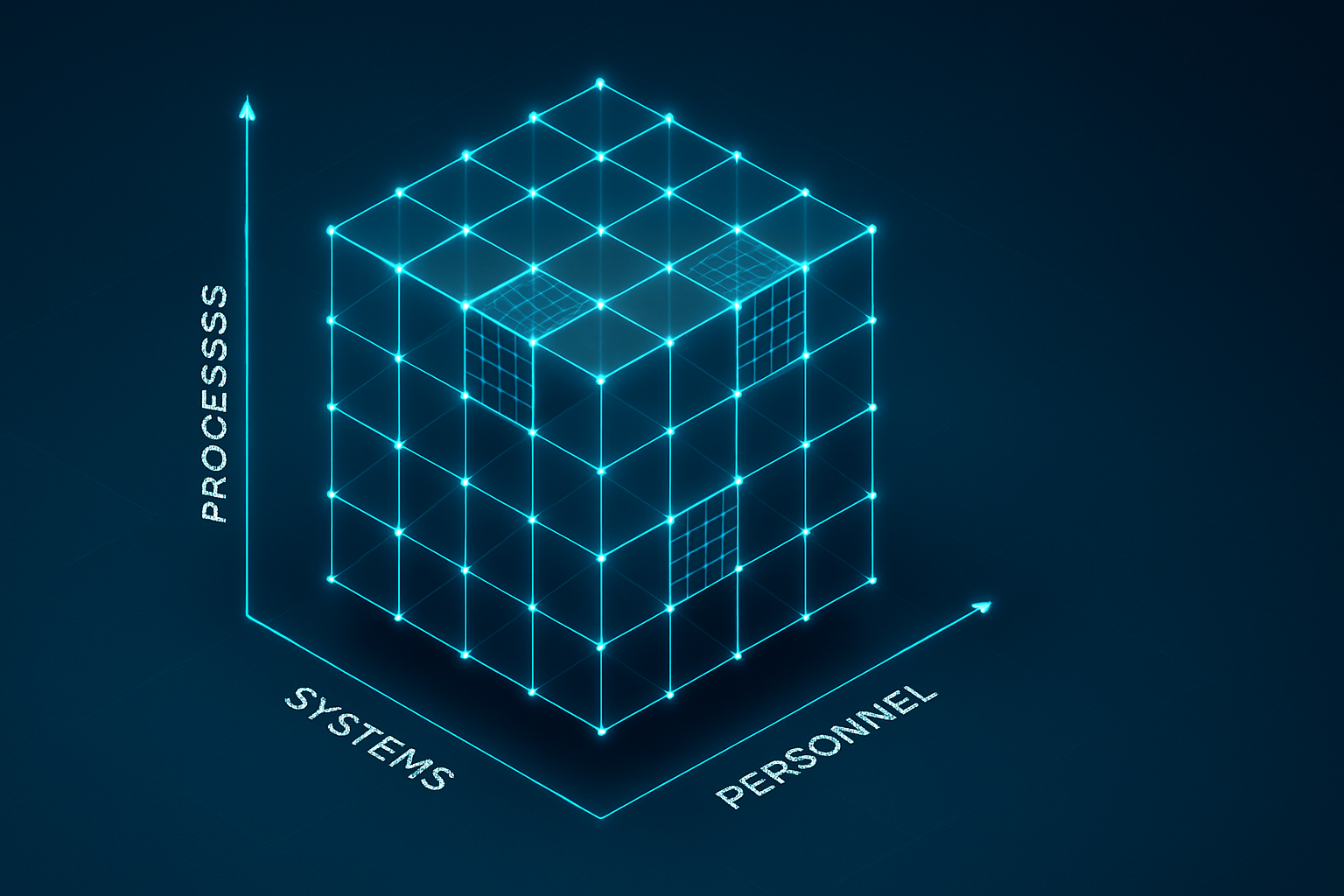
A multi-dimensional framework for maintaining disaster recovery and business continuity plans through incremental reviews, addressing the gap between documentation and actual recovery capabilities.
Traditional GRC frameworks weren't built for agents talking to agents. A risk analysis of Google's A2A and Anthropic's MCP, with three mitigation strategies.